
Crop Diseases, Types, Symptoms, and Control
On this page
- What is a crop disease
- Types of crop diseases at a glance
- Abiotic crop diseases and non-infectious stress
- Bacterial crop diseases
- Fungal crop diseases
- Nematode crop diseases
- Viral crop diseases
- Parasitic plants that damage crops
- Signs versus symptoms, and why the distinction matters
- Integrated control, resistant varieties, and biological options
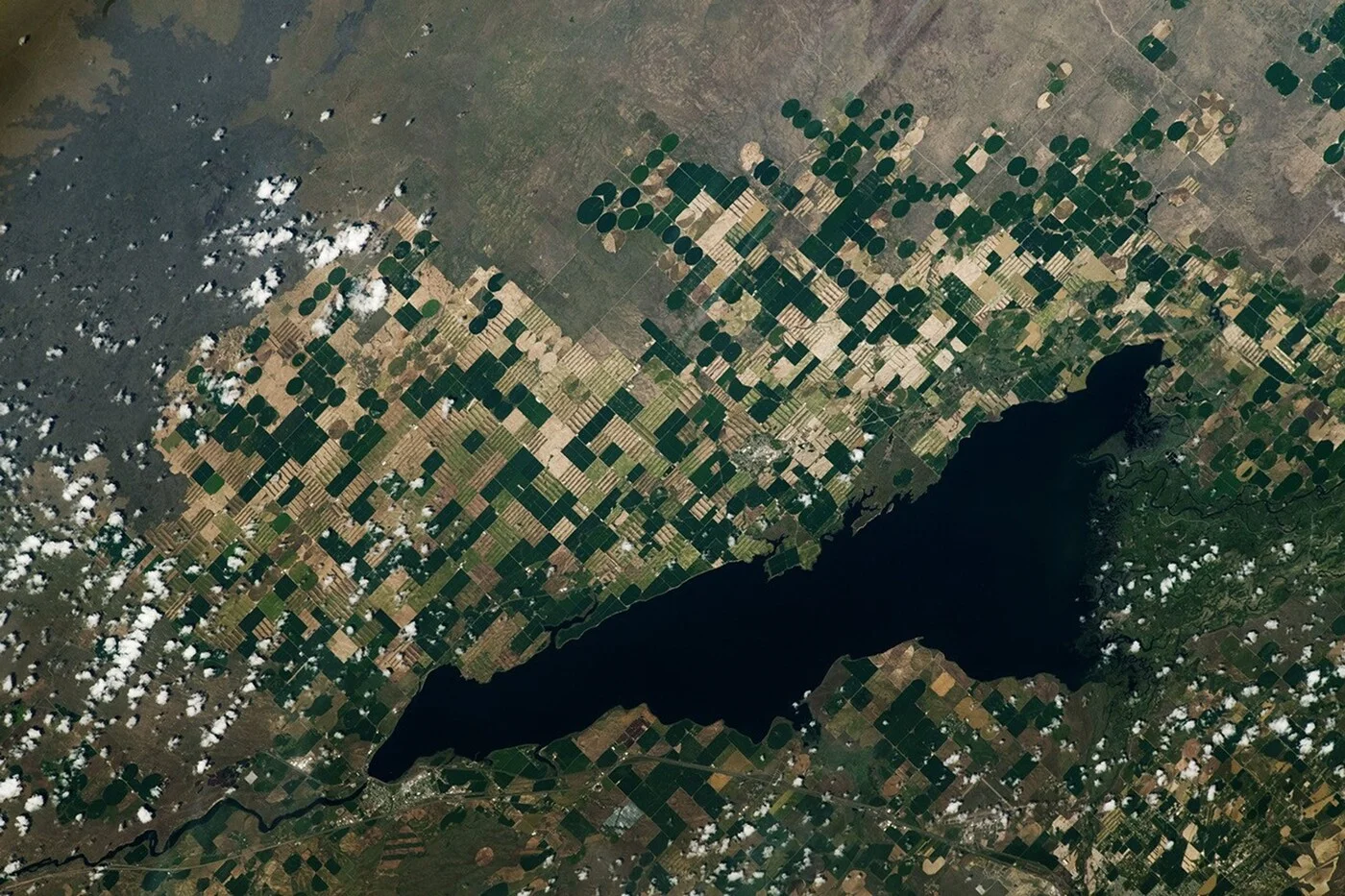
- How satellite imagery supports crop disease control
- Disease risk detection and severity zoning
- Crop susceptibility and productivity-trend monitoring
- Abiotic stress indicators that flag disease-prone conditions
- Pathogen confirmation and digital scouting
- Variable-rate treatment maps
- Frequently asked questions
- Sources and further reading
Crop diseases are the single largest biological threat to farm income worldwide, and the list of causes behind them, bacteria, fungi, viruses, nematodes, parasitic plants, and non-infectious stress, is wide enough that most growers only ever learn to recognize a handful by sight. This guide covers all of them in one place, what causes each category, how to recognize it, and the control measures that actually work, plus how satellite monitoring now catches many of these problems before a single leaf changes color.
Quick answer
Crop diseases fall into two broad groups, infectious diseases caused by a living pathogen, bacteria, fungi, viruses, nematodes, or parasitic plants, and non-infectious diseases caused by environmental stress such as poor soil chemistry, temperature extremes, or chemical damage. A disease develops only when a susceptible host, a virulent pathogen, and a favorable environment all occur together, a relationship plant pathologists call the disease triangle. Fungal pathogens account for the largest share of crop disease worldwide, and the Food and Agriculture Organization estimates pests and diseases combined destroy up to 40% of global crop production every year. Control depends on the cause, but resistant varieties, crop rotation, sanitation, and early detection through field scouting or satellite monitoring cut losses across every disease category.
What is a crop disease
A crop disease is any condition that disrupts a plant's normal growth, structure, or function enough to reduce yield or quality. Plant pathologists split crop diseases into two categories. Infectious, or biotic, diseases are caused by a living pathogen that can spread from plant to plant, bacteria, fungi, viruses, and nematodes. Non-infectious, or abiotic, diseases come from the environment itself, not a living agent, and cannot spread between plants.
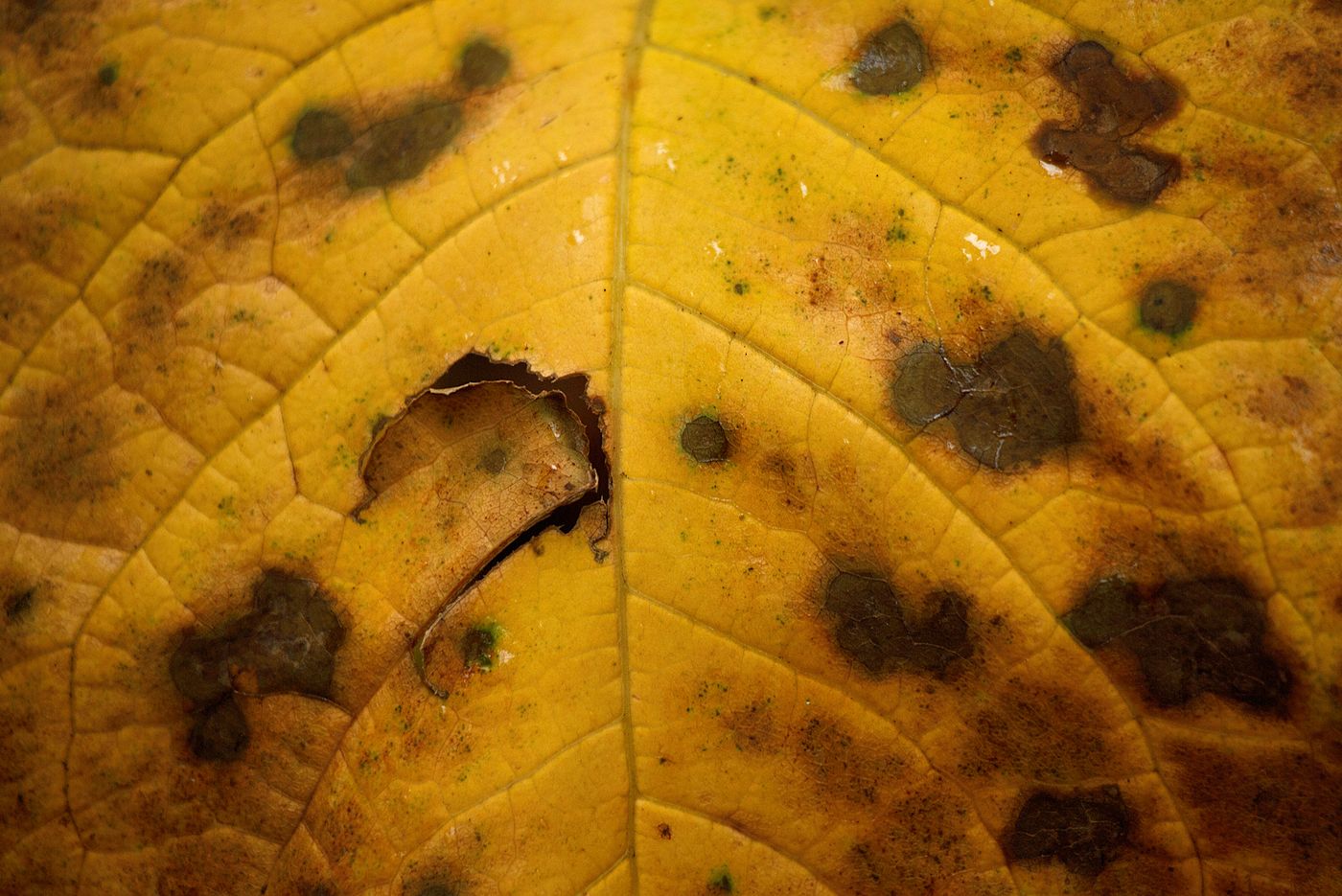
A disease only develops when three conditions line up at once, a relationship known as the disease triangle: a host plant that is genetically susceptible to a given pathogen, a pathogen virulent enough to cause infection, and an environment favorable to that pathogen's growth. Remove any one side of the triangle, a resistant variety, a pathogen-free seed lot, or an environment the pathogen cannot tolerate, and the disease does not occur even if the other two conditions are present.
Types of crop diseases at a glance
Five categories cover almost every crop disease a farmer will encounter. The table below summarizes how each spreads and what usually gives it away in the field.
| Category | Causal agent | How it spreads | Typical field sign |
|---|---|---|---|
| Abiotic (non-infectious) | Weather, soil chemistry, pollution, chemical damage | Does not spread between plants | Uniform damage tied to a specific field condition, not a spreading pattern |
| Bacterial | Bacteria entering through wounds or natural openings | Rain splash, insects, tools, contaminated seed | Wilting, soft rot, water-soaked lesions, tumors |
| Fungal | Fungal and fungal-like organisms | Windborne spores, splash, contaminated soil or seed | Spots, rot, mildew, rust, cankers, blight |
| Viral | Viruses and viroids | Insects, contaminated tools, grafting, infected seed | Mosaic patterns, stunting, leaf distortion, discoloration |
| Nematode | Parasitic roundworms in soil | Infested soil, water movement, equipment | Root galls or lesions, drought-like wilting, poor vigor despite fertilizer |
Abiotic crop diseases and non-infectious stress
Not every damaged field is fighting a pathogen. Abiotic stress is triggered by unfavorable temperature, excess or insufficient moisture, poor light in greenhouse settings, and airborne pollutants that build up near industrial sites. A poor physicochemical soil profile, often the result of past herbicide misuse, is another common trigger, which is part of why sustainable field management pays off well beyond environmental compliance. Some higher plants and fungi also release toxins into the soil that stress neighboring crops even without a true infection taking hold.
Bacterial crop diseases
Bacteria are among the hardest crop pathogens to control because chemical treatments struggle to reach them once they are established inside plant tissue. Infection happens through wounds from tools, insects, or weather, and through natural openings such as stomata or nectar-secreting glands. A notable trait of bacterial pathogens is dormancy: once inside a plant or the surrounding soil, they can sit inactive for long stretches until temperature swings and high humidity trigger an outbreak.
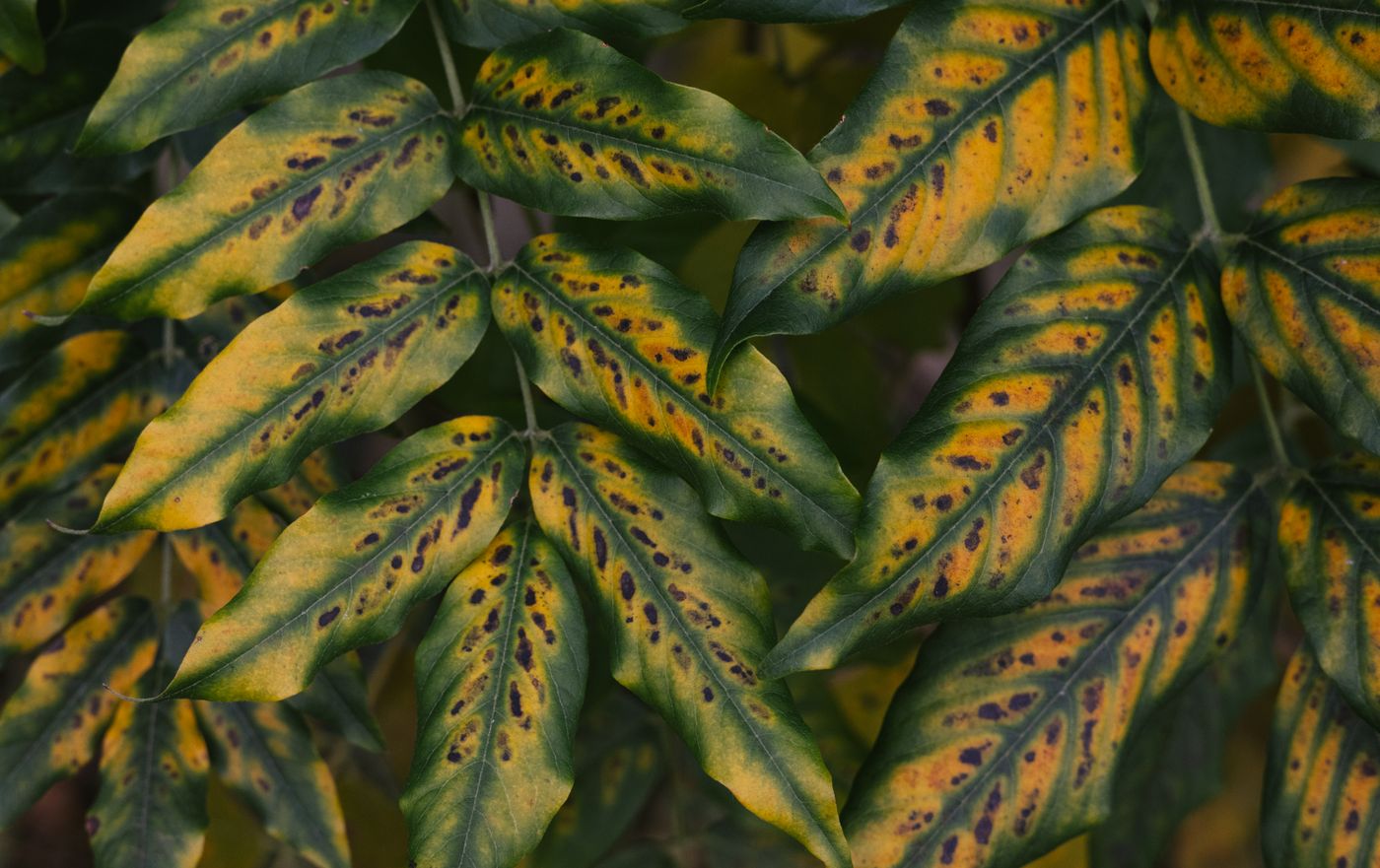
The four hallmark signs of a bacterial infection are a wilting vascular system, dead necrotic tissue, tissue that turns soft and rots, and abnormal tumor-like growths, though a lab test is usually needed to confirm the specific species. Examples include:
- Bacterial wilt, which stunts growth and kills roots as the vascular system fails.
- Fire blight, marked by necrotic, weeping ulcers and leaves that wilt and curl but stay attached to the branch.
- Bacterial blight, which produces yellow-green spots on leaves that can turn necrotic as the infection spreads.
- Bacterial leaf spot, common on peppers and tomatoes, causing dark, water-soaked lesions on foliage and fruit.
Because bacteria spread quickly and resist chemical exposure once inside a plant, prevention carries more weight than treatment. Effective measures include planting certified pathogen-free seed, hot-water seed treatment, soil solarization, and copper-based bactericide applications timed ahead of infection risk. Sanitation matters just as much, controlling weeds, sterilizing tools between fields, disposing of infected material properly, and avoiding fieldwork while foliage is still wet.
Fungal crop diseases
Fungal and fungal-like pathogens account for the largest share of crop disease worldwide, and researchers commonly cite fungi as the cause behind roughly 85% of all plant diseases. Infection routes mirror bacteria in some ways, entering through a wound, a stoma, or a water pore on the leaf surface, but fungal spores also ride long distances on wind currents, which is why an outbreak can appear across a wide area almost simultaneously.
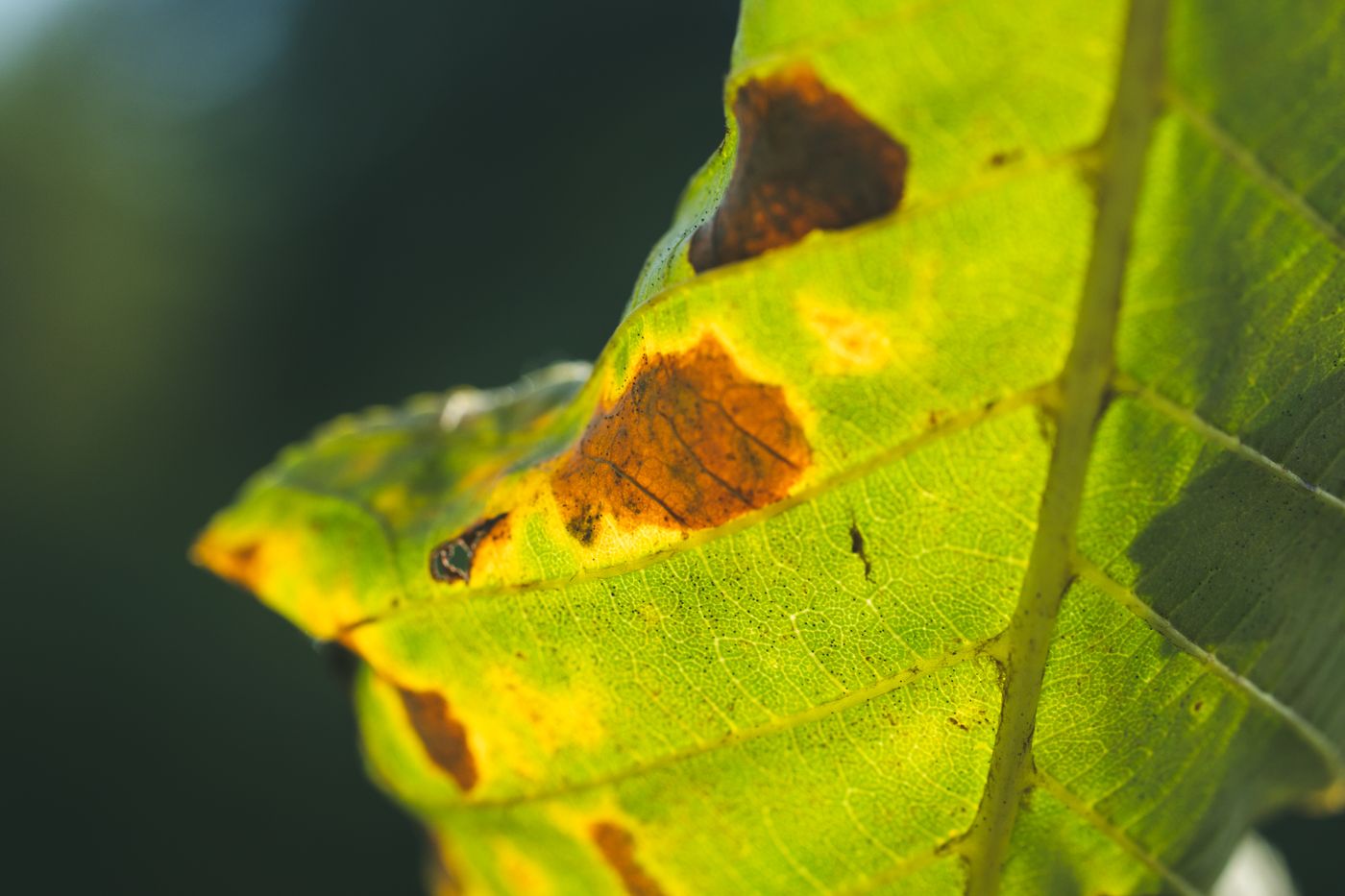
Fungal infection typically shows up as local or widespread necrosis, and sometimes as hypertrophy, abnormal tissue overgrowth. Other common signs include leaf spots, exfoliation, rot, anthracnose lesions, cankers, and leaf curling. Well-known examples include:
- Late blight, which produces dark green to black lesions ringed with white mold, historically responsible for the Irish potato famine.
- Wheat stem rust, which covers stems and leaves in rust-colored spore masses and remains one of the most economically damaging cereal diseases globally.
- Coffee leaf rust, identifiable by rust-toned, powder-textured lesions with a darker core forming on the leaf underside.
- Corn smut, which forms abnormal galls across nearly every above-ground part of the plant, the stalk, the leaf, the ear, and the tassel alike.
- Powdery mildew, a grey-white powder coating that starts as small leaf spots and spreads across the plant.
- Fusarium wilt, causing slowed growth, wilting, dark vascular streaking, and eventual plant death.
- Botrytis gray mold, which produces brown blotches that develop into fuzzy gray mold on stems, leaves, and fruit.
Fungal disease management starts with removing and destroying infected plant material so spores cannot overwinter or spread. Beyond that, clean seed, regular crop rotation to break the disease cycle, and both chemical and biological fungicides applied at the right growth stage remain the standard toolkit. Wheat stem and yellow rust in particular remain an active research focus heading into 2027, since a single virulent strain can move across a continent in one growing season, and probabilistic pathogen-risk models are now used alongside satellite monitoring to flag which regions carry the highest outbreak risk before planting decisions are locked in.
Nematode crop diseases
Nematodes are microscopic parasitic roundworms living in soil, invisible without a microscope, with more than 4,100 known species capable of damaging crops. Because they live in soil, they primarily attack roots, tubers, and bulbs, feeding by piercing plant cells and withdrawing fluid.
Nematode damage often looks like drought stress even in well-watered fields: yellowing, stunted growth, no response to fertilizer or irrigation, gradual decline, and a visibly reduced root system. Nematodes need a long feeding period to cause serious damage, but they spread through soil, water movement, and equipment fast enough that early identification matters. Common examples include:
- Root-knot nematodes, which cause swollen, gall-like deformities on roots across more than 2,000 host plant species.
- Root-lesion nematodes, which damage roots directly and open the door to secondary fungal and bacterial root rot.
- Cyst nematodes, such as the golden nematode, which forms tiny cysts on potato roots each holding up to 500 eggs.
- Foliar nematodes, including species that cause blemished leaf tips and reduced grain fill in rice.
Control relies on crop rotation with non-host species, planting resistant cultivars, soil fumigation with nematicides, and, for smaller operations, hot-water treatment around 50°C. Cultural practices that support overall plant vigor, mulching, fertigation, and timed watering during drought, also reduce nematode pressure without chemical inputs.
Viral crop diseases
Viruses and viroids are the smallest crop pathogens and, once established, are essentially impossible to cure. Infected plants are usually removed rather than treated. Viral diseases spread mainly through insect vectors and contact between healthy and infected plants, but also travel through infected seed, pollen, vegetative propagation, and contaminated soil.
Viral symptoms generally fall into four patterns: malformation such as distorted leaves and abnormal shoot growth, necrosis with ring spots or wilting, dwarfism affecting part or all of the plant, and discoloration such as yellowing or vein clearing. Some infected plants show no visible symptoms at all while still carrying and spreading the virus, which makes viral disease control especially demanding. Notable examples include:
- Tobacco mosaic virus, producing dwarfing and a mottled mosaic pattern on leaves, with major economic impact worldwide.
- Tomato spotted wilt virus, which forms necrotic yellow rings that darken to reddish brown over time.
- Cucumber mosaic virus, causing leaf distortion, narrow younger leaves, ring spots, and stunted growth across a wide host range.
- Barley yellow dwarf virus, a cereal disease causing pale leaves, poor tillering, smaller grains, and reduced yield in wheat and barley.
Because most viral infections cannot be cured, control focuses on resistant cultivars, certified virus-free seed and planting stock, insect-vector management, and strict sanitation. Severe outbreaks sometimes require destroying infected plants entirely or enforcing a quarantine to protect the surrounding crop. This is not a niche risk: researchers tracking emerging plant disease threats to global food security attribute roughly half of newly emerging plant diseases to the movement of infected seed, plant material, and produce through international trade and travel, which is exactly why certified, traceable planting stock matters as much as any in-field control measure.
Parasitic plants that damage crops
Roughly 400 parasitic plant species attach to a host and draw water, sugars, or both directly from its vascular system. Some only weaken a host, while others can kill it outright and cause serious economic losses, particularly in cereal-growing regions. Key examples include:
- Dodder (Cuscuta), a leafless, thread-like vine that wraps around a host stem and can also carry viral pathogens between plants, making it a quarantine-listed weed in many regions.
- Broomrape (Orobanche), a rootless parasite with no chlorophyll that survives entirely on a host's roots, and a single plant can leave behind as many as 100,000 seeds that stay viable in soil for over a decade.
- Witchweed (Striga), a major threat to cereals across Africa and Asia that can destroy an entire field and has, in severe cases, driven local population displacement.
- Mistletoe, a semi-parasitic species spread by birds that weakens rather than kills most hosts but can reduce productivity over time in orchards.
Control methods include suicidal germination, cultivating soil to trigger parasite seed germination without a host present so the seedlings die off, herbicide-resistant crop varieties, manual weeding, and rotating in non-host crops. Because chemical control is often expensive and only partially effective, naturally resistant varieties remain the most reliable long-term defense.
See disease pressure across your own fields
Search live multispectral and SAR archive, or task a fresh capture to check a suspected outbreak. See our agriculture satellite imagery services for coverage and delivery formats.
Signs versus symptoms, and why the distinction matters
A sign is direct physical evidence of the pathogen itself, fungal spore masses, bacterial ooze, or a visible nematode cyst. A symptom is the plant's response to infection, wilting, spotting, or stunted growth, and several different pathogens can produce nearly identical symptoms. That overlap is exactly why lab diagnostics, or a remote-sensing signal tuned to the right wavelength, often matter more than a visual check alone once a grower needs to choose a specific treatment.
Integrated control, resistant varieties, and biological options
No single tactic controls crop disease on its own, which is why integrated pest management, IPM, combining resistant cultivars, crop rotation, sanitation, biological control agents, and targeted chemical treatment only when needed, consistently outperforms any single method used alone.
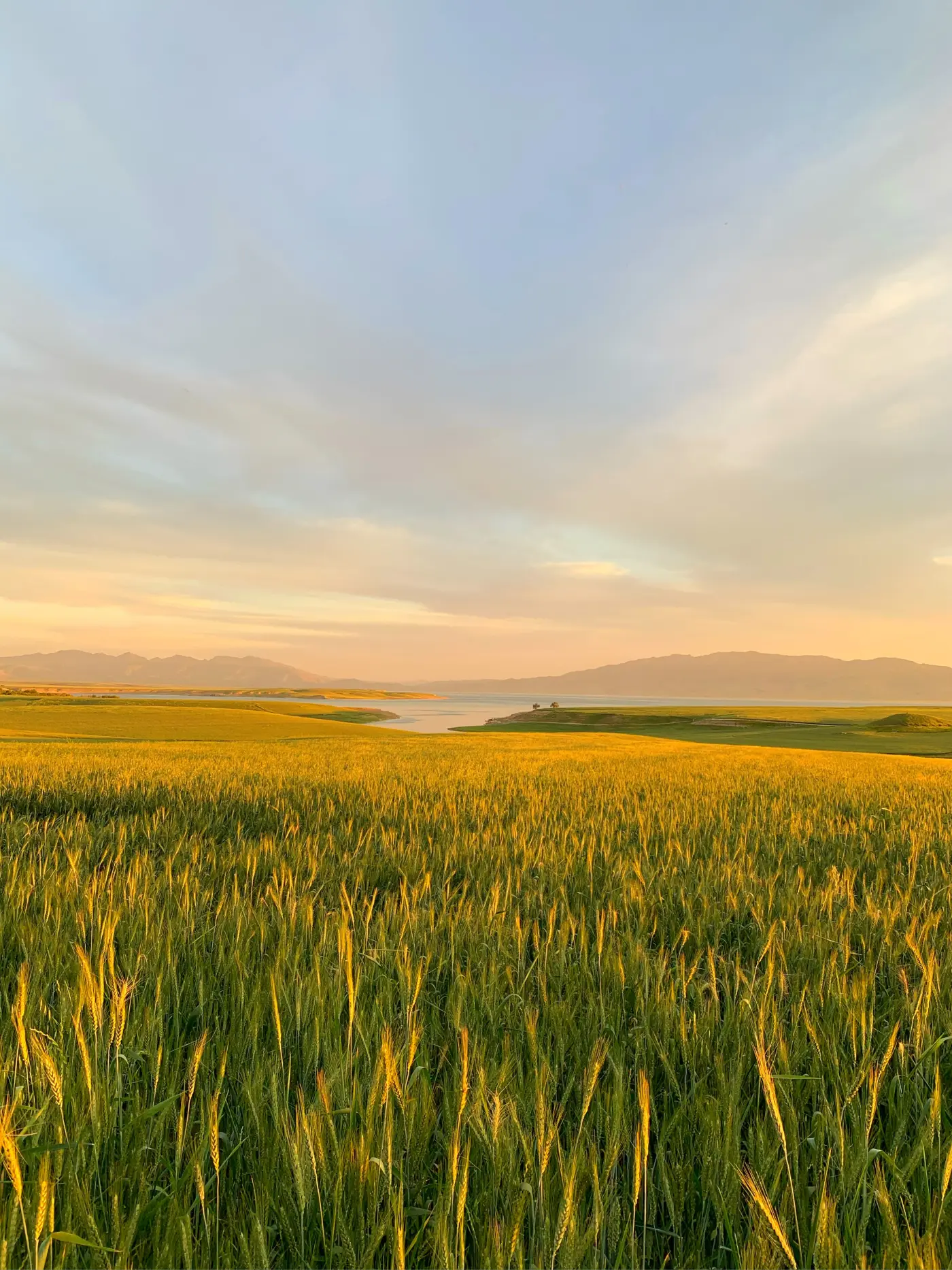
Crop rotation alone can cut soil-borne disease incidence by more than half, one widely cited Iowa State University study found a 58% reduction, by denying a pathogen its host the following season. Modern plant breeding and gene editing add another layer, building disease resistance directly into a cultivar rather than relying only on external inputs. A healthy soil microbiome also plays a measurable role: beneficial soil microorganisms compete with pathogens for space and resources and can improve a plant's natural resistance, one more reason cover cropping and reduced tillage pay off beyond soil structure alone.
How satellite imagery supports crop disease control
Field scouting alone cannot cover a large farm fast enough to catch an outbreak in its first days. Satellite-based crop monitoring closes that gap by screening an entire farm or region on a repeating schedule, well beyond what a single "is my crop diseased" check can do. The sections below walk through each part of that workflow, from the first risk flag to the treatment map that follows it.
Disease risk detection and severity zoning

Modern crop-monitoring platforms score disease risk field by field rather than issuing a single farm-wide alert, so a grower can see not just that a problem exists but exactly how severe it is in each zone. Reporting risk as a graded severity map, rather than a flat yes-or-no flag, lets a farm prioritize labor and inputs toward the highest-risk zones first instead of treating every flagged field the same way. Early risk detection also has a direct cost benefit: catching a disease before it establishes across a field is consistently cheaper than treating an outbreak that has already spread, in labor, chemical inputs, and lost yield alike.
Crop susceptibility and productivity-trend monitoring
Because different crops resist different pathogens to different degrees, growing the same crop on the same field year after year, common in intensive, industrial-scale operations, steadily builds up the specific pathogens that crop is most susceptible to. Multi-season satellite archives make that buildup visible as a productivity trend, dividing a field into zones and tracking whether each one is improving or declining over successive growing seasons. Cross-referencing that trend against harvester yield data pinpoints exactly which zones are underperforming and flags enlarging low-productivity areas as a likely sign of a biotic pathogen taking hold, well before a full-blown outbreak. The same productivity-zone data also scores how effective a given crop-rotation sequence actually is at suppressing disease on a specific field, turning rotation planning from a general rule of thumb into a field-specific decision.
Abiotic stress indicators that flag disease-prone conditions
Since abiotic stress weakens a plant's natural resistance and makes it a more susceptible host, tracking abiotic conditions is itself a disease-prevention tool. Soil-moisture monitoring, automatic heat and cold stress alerts, and weather analytics covering temperature, precipitation, wind speed, and humidity flag the exact conditions, waterlogging, drought, or a sudden cold snap, that tend to precede an outbreak. NDMI maps add plant water content specifically, distinct from soil moisture, catching canopy-level dehydration before it fully weakens a crop's defenses. Reading these indicators alongside a vegetation-index map is what lets a monitoring platform tell a genuine pathogen attack apart from a purely environmental stress response, since the two can look identical on a plain vigor map but call for entirely different responses.
Pathogen confirmation and digital scouting
A satellite flag narrows down where to look, but confirming which specific pathogen is present still benefits from a human or a lab. Digital scouting workflows close that loop efficiently: a flagged zone generates a scouting task, a scout visits only that zone instead of walking the whole farm, and confirms the disease category, biotic or abiotic, directly from a mobile app, attaching a photo for the agronomist's review. Because the scout is only ever sent to a zone the satellite data has already flagged, this cuts the fuel, labor, and time that a blanket, farm-wide scouting rotation would otherwise cost, while still keeping a trained eye in the loop for the final call.
Variable-rate treatment maps
Once a scout confirms the pathogen, the same zoning data becomes a variable-rate application map, applying fungicide, bactericide, or nematicide only to the confirmed zones instead of the entire field. Watching how a treated zone's vegetation index recovers over the following weeks also closes the loop on treatment effectiveness, confirming a fungicide pass actually worked rather than assuming it did. The full breakdown of the spectral bands and vegetation indices behind all of this, including NDRE, CWSI, and LAI, is covered in our guide to satellite imagery for crop stress and disease detection. For the broader growth-tracking picture this fits into, see our guides to how satellite imagery monitors crop growth and precision agriculture with satellite imagery.
Crop disease impact by the numbers
Share of global crop production the FAO estimates is lost to pests and diseases combined each year.
Estimated share of crop diseases caused by fungal or fungal-like pathogens.
Estimated annual global cost of crop pests and diseases combined.
Drop in soil-borne disease incidence from crop rotation, per Iowa State University research.
Key takeaways
- Crop diseases split into infectious causes, bacteria, fungi, viruses, and nematodes, and non-infectious abiotic stress from the environment.
- All three sides of the disease triangle, a susceptible host, a virulent pathogen, and a favorable environment, have to align before a disease actually develops.
- Fungal pathogens cause the largest share of crop disease worldwide, roughly 85% by most estimates, with bacteria, viruses, and nematodes accounting for the rest.
- Viral infections generally cannot be cured once established, which makes resistant varieties and vector control far more valuable than treatment after the fact.
- Crop rotation, resistant cultivars, sanitation, and satellite-based early detection combined outperform any single control method used alone.
Frequently asked questions
What are crop diseases?
Crop diseases are conditions that disrupt a plant's normal growth, structure, or function enough to reduce yield or quality. They fall into infectious diseases caused by bacteria, fungi, viruses, or nematodes, and non-infectious diseases caused by environmental stress such as poor soil chemistry or extreme temperature.
What causes crop diseases?
Crop diseases are caused either by a living pathogen, bacteria, fungi, viruses, nematodes, or parasitic plants, or by non-infectious environmental stress such as temperature extremes, moisture imbalance, or chemical damage. A disease only develops when a susceptible host, a virulent pathogen, and a favorable environment all occur together, known as the disease triangle.
What is the most common type of crop disease?
Fungal and fungal-like pathogens cause the largest share of crop disease worldwide, estimated at roughly 85% of all plant diseases, because fungal spores spread easily through wind, water, and contaminated soil or seed.
How much crop yield is lost to disease worldwide?
The Food and Agriculture Organization estimates that pests and diseases combined destroy up to 40% of global crop production each year, with an estimated global economic cost of around $220 billion annually.
What is the difference between a sign and a symptom of plant disease?
A sign is direct physical evidence of the pathogen itself, such as fungal spores or bacterial ooze. A symptom is the plant's response to infection, such as wilting or spotting. Different pathogens often produce similar symptoms, which is why signs and lab tests matter for confirming an exact diagnosis.
How does crop rotation help control crop diseases?
Rotating in a non-host crop denies a soil-borne pathogen the plant it needs to survive and reproduce, breaking its life cycle. Research from Iowa State University found crop rotation can reduce soil-borne disease incidence by as much as 58%.
Can a crop disease be cured once a plant is infected?
It depends on the cause. Some fungal and bacterial infections can be managed or slowed with early fungicide or bactericide treatment. Viral infections generally cannot be cured, which is why infected plants are usually removed rather than treated.
Can satellite imagery detect crop disease before symptoms appear?
Yes. Red-edge, yellow-band, and near-infrared satellite data pick up chlorophyll and cell-structure changes inside a leaf days to weeks before a visible symptom appears, letting growers screen an entire farm and flag specific zones for a closer look.
What is the disease triangle?
The disease triangle is the plant pathology concept that a disease develops only when three conditions occur together, a host plant susceptible to a given pathogen, a pathogen virulent enough to cause infection, and an environment favorable to that pathogen. Removing any one condition prevents the disease even if the other two are present.
Sources and further reading
- Food and Agriculture Organization (FAO): global crop loss estimates from pests and diseases
- CABI and peer-reviewed synthesis research: global economic cost of crop pests and diseases
- PNAS and PMC plant pathology literature: fungal disease prevalence and the disease triangle concept
- Iowa State University Extension research: crop rotation and soil-borne disease reduction
- Peer-reviewed nematology and virology literature: nematode species counts and viral transmission pathways
Ready to monitor your fields for disease risk?
Search our live archive or request new tasking over your area, optical, multispectral, or SAR. No account needed to get a first estimate.