Soil Conservation Methods: Techniques, Benefits, and How to Choose the Right One
On this page
- What is soil conservation?
- Why does soil conservation matter?
- What causes soil erosion in the first place?
- What are the methods of soil conservation?
- 01. Conservation tillage and no-till farming
- 02. Contour farming
- 03. Terracing
- 04. Strip cropping
- 05. Windbreaks and shelterbelts
- 06. Cover cropping
- 07. Crop rotation
- 08. Agroforestry
- 09. Buffer strips
- 10. Grassed waterways
- 11. Bank stabilization
- 12. Drop inlets and rock chutes
- 13. Sediment control structures
- 14. Mulching
- 15. Organic amendments and chemical-free nutrient management
- Simple soil conservation ways for small farms and gardens
- What are the 3 types of soil conservation methods?
- How do you choose the best soil conservation method for your land?
- What challenges make soil conservation harder to adopt?
- How satellite imagery supports soil conservation
- Frequently asked questions
- Sources and further reading
Soil conservation methods are the practices that keep topsoil in place and keep it healthy, instead of letting rain, wind, and years of hard farming wash or blow it away. Every year, the world loses tens of billions of tons of fertile soil to erosion, at a cost estimated near $400 billion. That loss is not just a farmer's problem; it silts up rivers, drains nutrients out of food crops, and shrinks the land available to grow food for a growing population. The good news is that soil conservation techniques are well understood, affordable at almost any scale, and, in most cases, easy to start this season. This guide walks through what soil conservation means, the methods of soil conservation that work best in real fields, how effective each one actually is, and how satellite imagery now lets anyone check whether a chosen method is working, without walking every acre by hand.
Quick answer
Soil conservation methods fall into three groups: physical (contour farming, terracing, windbreaks), biological (cover cropping, crop rotation, agroforestry), and chemical (fertilizers, organic amendments, soil testing). The most widely used soil conservation techniques are conservation tillage and no-till farming, contour farming, terracing, strip cropping, windbreaks, cover cropping, crop rotation, buffer strips, grassed waterways, bank stabilization, drop inlets and rock chutes, sediment control structures, and mulching. Combining two or more of these methods for soil conservation can cut erosion by 60 to 75%, compared with roughly 50% for a single technique used alone.
What is soil conservation?
Soil conservation is the set of methods and practices used to protect soil from erosion, nutrient loss, and long-term damage, so that land stays fertile and productive for future seasons. It covers everything from how a field is plowed to what grows on it between harvests, and even how riverbanks and slopes are shaped to slow down water.
At its core, soil protection methods do two jobs at once: they slow down the physical forces (water, wind, gravity) that carry soil away, and they keep the soil's biology and structure healthy enough to resist that damage in the first place. A field with strong soil conservation habits behind it holds water better, grows more food per acre, and needs fewer added chemicals over time.
Why does soil conservation matter?
The scale of the problem is bigger than most people realize. Global estimates put annual soil loss from erosion between 36 and 75 billion tons a year, carrying away roughly 12 million hectares of usable farmland annually. Left unchecked, that erosion is projected to cut global cereal production by more than 253 million tonnes by 2050, on top of the 7.6 million tonnes already lost each year today.
Good soil conservation ways pay that back in several directions at once:
- Healthier, more fertile soil. Protecting soil structure and organic matter keeps nutrients where roots can reach them, which means better yields with less added fertilizer.
- Cleaner water. Less eroded sediment and fewer nutrients running off a field means less pollution and sedimentation in nearby streams, rivers, and lakes.
- Lower emissions. Practices like no-till and cover cropping build soil organic carbon, turning farmland into a modest carbon sink rather than a source.
- More biodiversity. Undisturbed, living soil supports a much wider range of microbes, insects, and wildlife than bare, compacted ground.
- Lower costs, higher long-term profit. Farms that invest in soil health typically spend less on fertilizer, irrigation, and erosion repair within a few seasons.
See soil conditions on your land before you choose a method
Search our live archive or task new satellite imagery, from 30 cm optical to multispectral and SAR, and get bare-soil, moisture, and vegetation-health data back for your exact field before you invest in a conservation plan.
What causes soil erosion in the first place?
Soil erosion happens when wind, rain, or moving water detach soil particles and carry them somewhere else. It is a natural process, but a handful of human habits speed it up far beyond what land can recover from on its own:
- Bare, exposed ground. Soil left uncovered between plantings has nothing to hold it against wind or rainfall impact.
- Overtillage. Repeated plowing breaks up soil structure and destroys the root systems that would otherwise anchor it.
- Slash-and-burn farming. Clearing and burning forest for short-term cropland strips away root networks entirely, and the bare ground that follows rarely recovers before it's cleared again.
- Agrochemical pollution. Heavy pesticide and fertilizer use can leach into the soil and nearby water, degrading the same biology that holds soil structure together.
- Overgrazing, deforestation, and land overuse. Removing natural vegetation strips away the root networks that stabilize slopes and riverbanks, and pushing land past its natural regrowth rate is a leading driver of desertification.
- Soil compaction. Heavy machinery presses soil particles together, closing off the pore space that water and roots need.
- Steep slopes and heavy rainfall. Both accelerate water runoff, which is why hillside farmland needs different soil conservation techniques than flat ground. The exact soil type underneath also changes how fast a field erodes; sandy soil, for example, resists compaction but erodes easily under wind.
What are the methods of soil conservation?
There is no single method for soil conservation that fits every field. The list below covers the techniques of soil conservation that agronomists and soil scientists rely on most, organized in the order most farms tend to adopt them, starting with changes to tillage and ending with the additives and testing that fine-tune everything else.
01. Conservation tillage and no-till farming
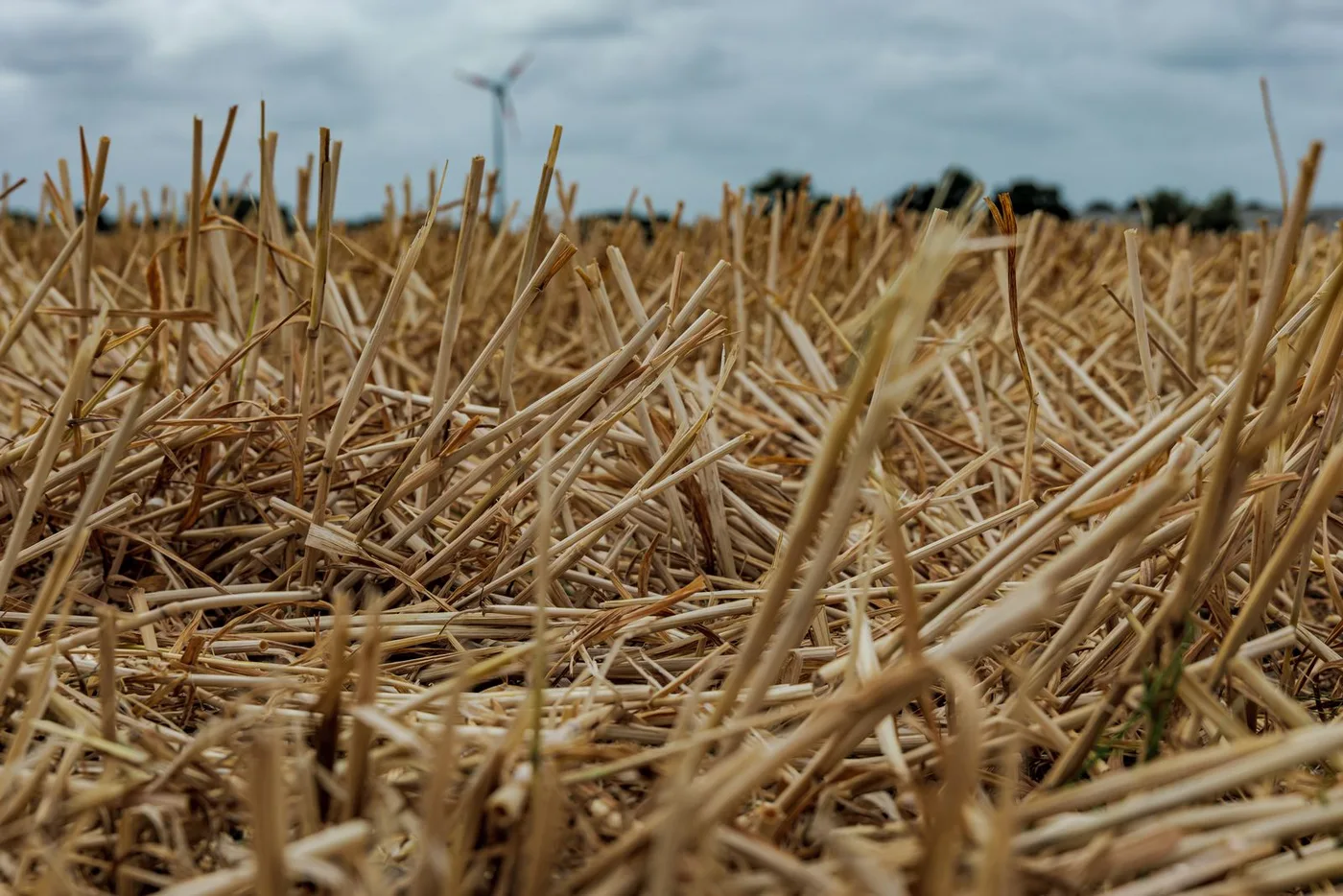
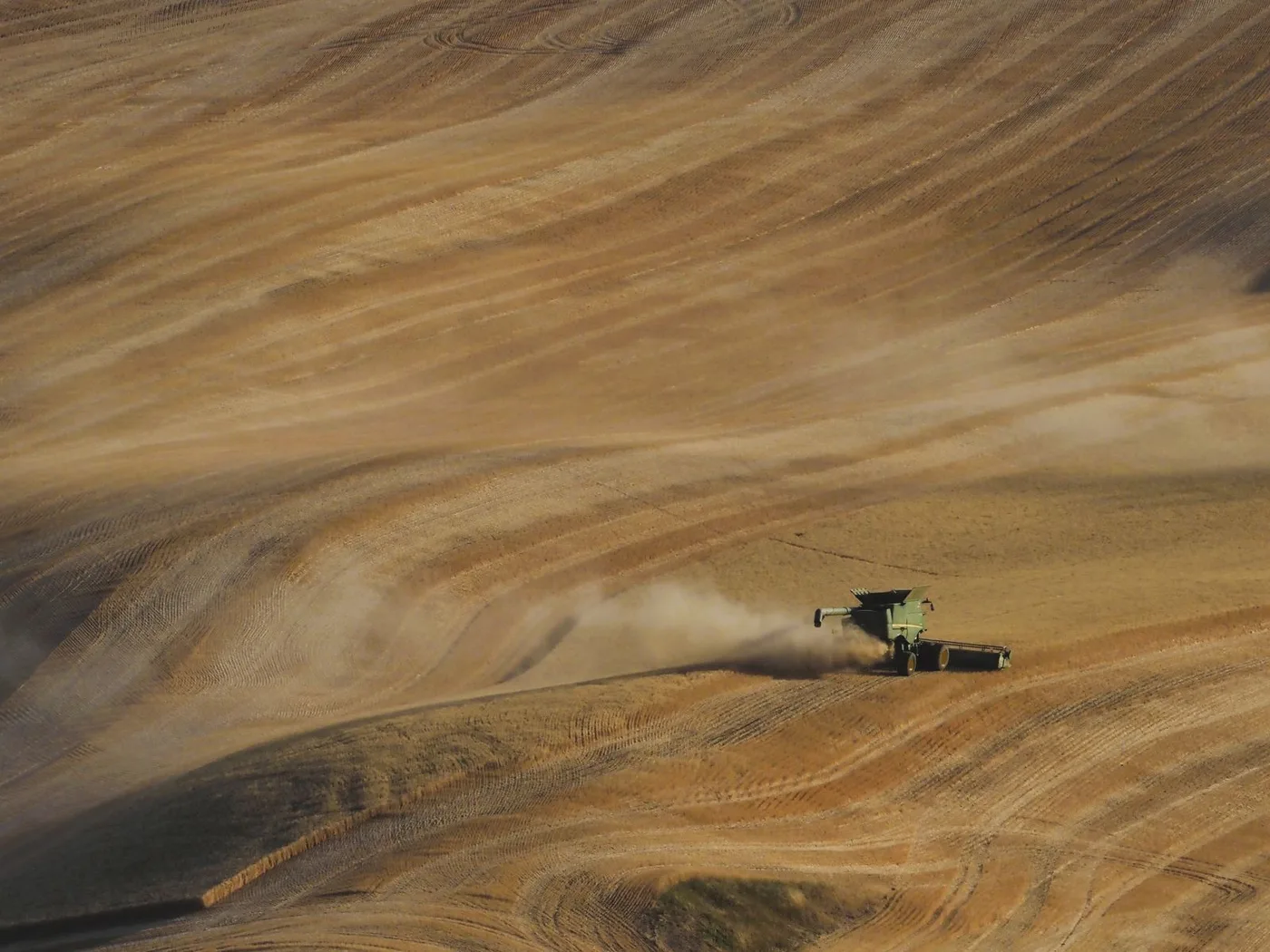
Conservation tillage reduces how often and how deeply a field is plowed, and no-till farming skips plowing almost entirely, planting seeds directly into last season's residue. Leaving that residue on top does two things: it shields the surface from rain and wind, and it lets roots and soil organisms rebuild structure undisturbed. In the US, no-till adoption on corn acreage rose from 16% in 2001 to 36% in 2021, and conservation tillage now covers the majority of wheat, corn, and soybean acres nationwide.
02. Contour farming
Contour farming means plowing and planting along the natural elevation lines of a slope instead of straight up and down it. Rows that follow the contour act like small dams, slowing water and giving it time to soak in rather than race downhill carrying soil with it. This single change has been measured cutting soil loss by around 50% on sloped fields, which is why it remains one of the most cost-effective soil conservation techniques available on rolling terrain. A related refinement, ridge tillage, plants the same row crop on the same raised ridge every year, which increases how much runoff the furrow between ridges can hold before it overflows.
03. Terracing
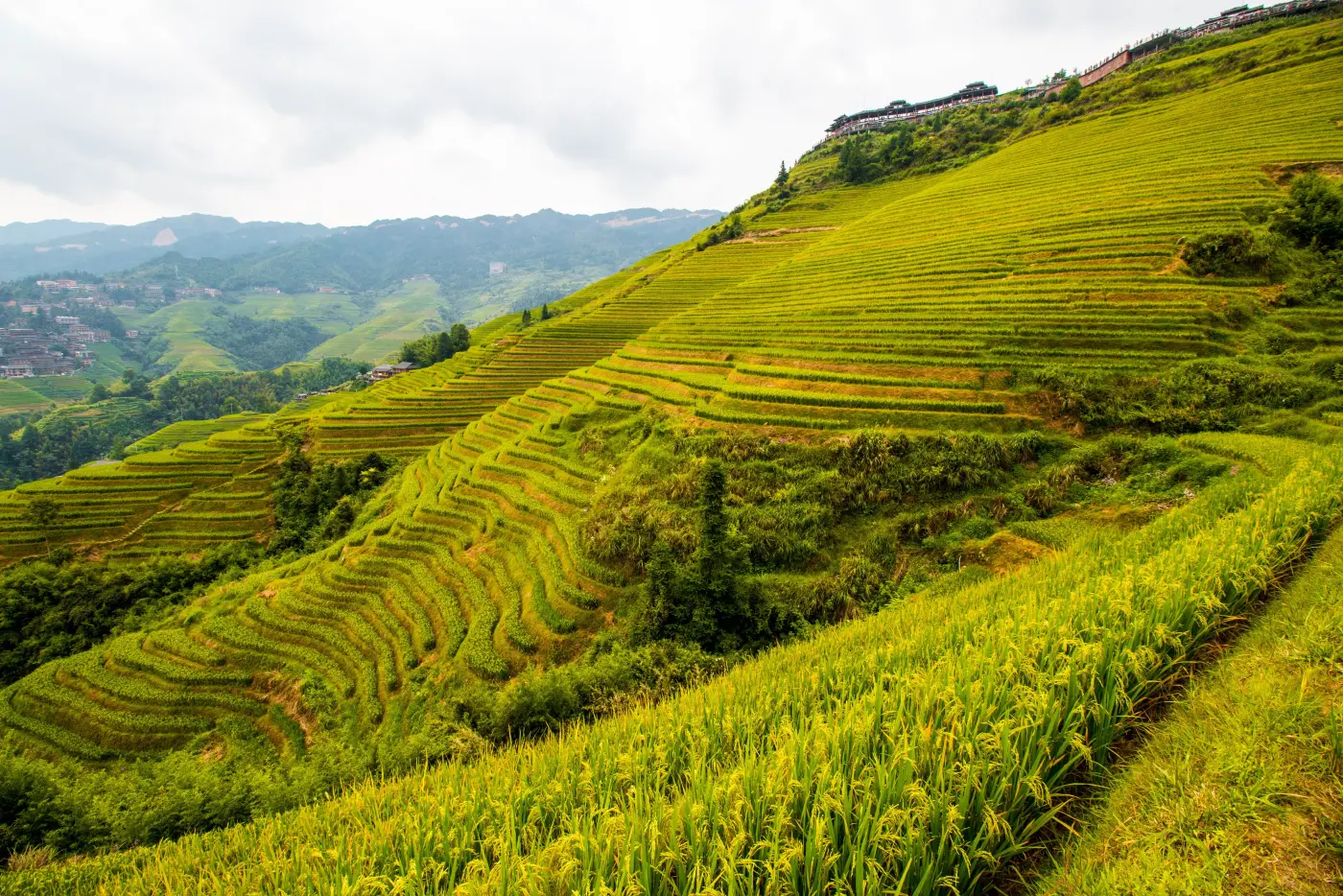
Terracing reshapes a hillside into a series of level steps, each one catching runoff before it can build enough speed to carry soil away. It is one of the oldest known soil conservation ways, still visible in centuries-old rice terraces across Asia, and it remains standard practice anywhere farmland is too steep for contour rows alone. It costs more to build than most other methods on this list, but a well-built terrace system keeps working for generations with only light upkeep.
04. Strip cropping
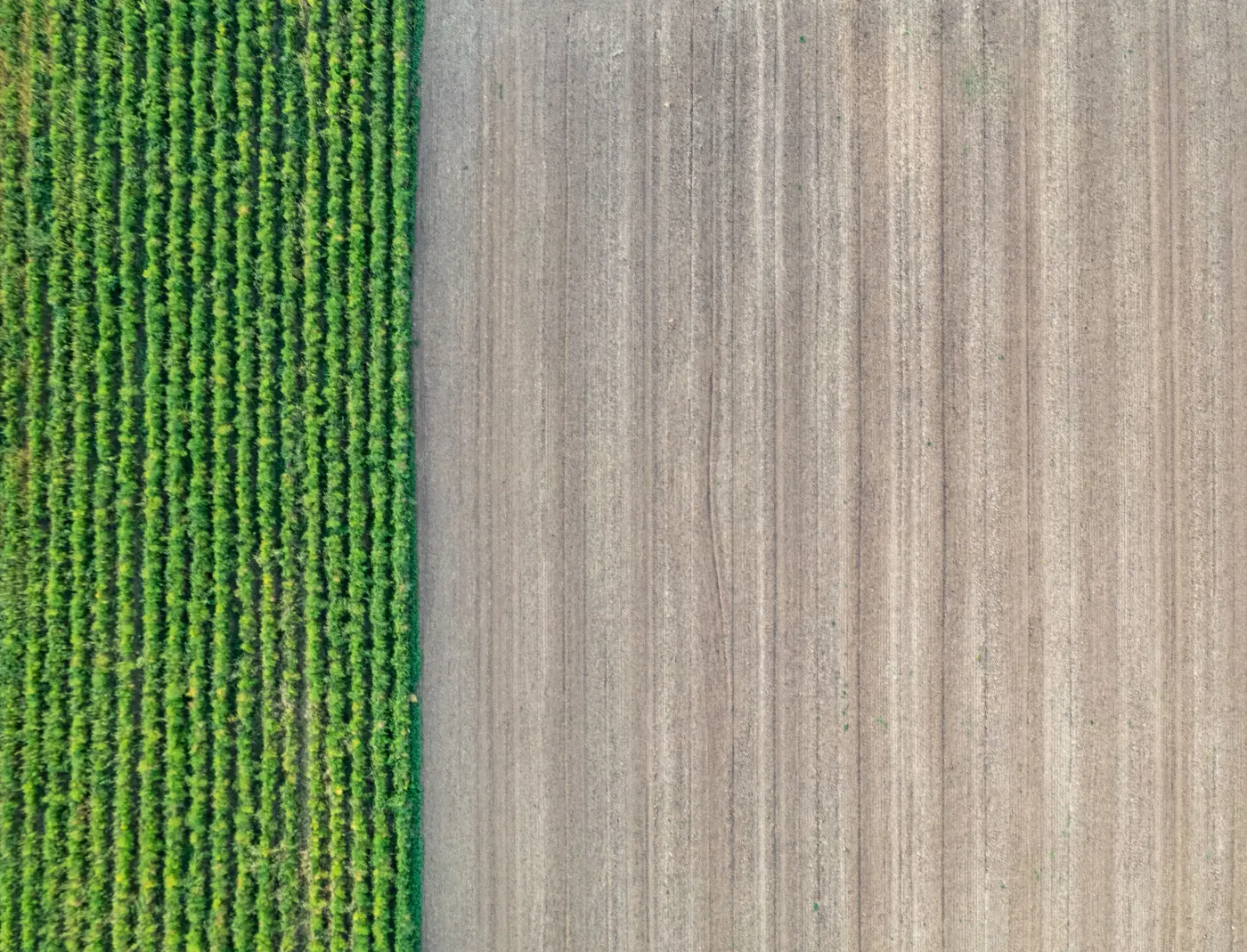
Strip cropping alternates bands of a dense, erosion-resistant crop with bands of a more open, erosion-prone one across a field. The dense strips slow wind and catch soil moving off the exposed strips next to them, and because the setup uses ordinary field equipment, it is one of the cheapest soil protection methods a farm can add without new infrastructure.
05. Windbreaks and shelterbelts
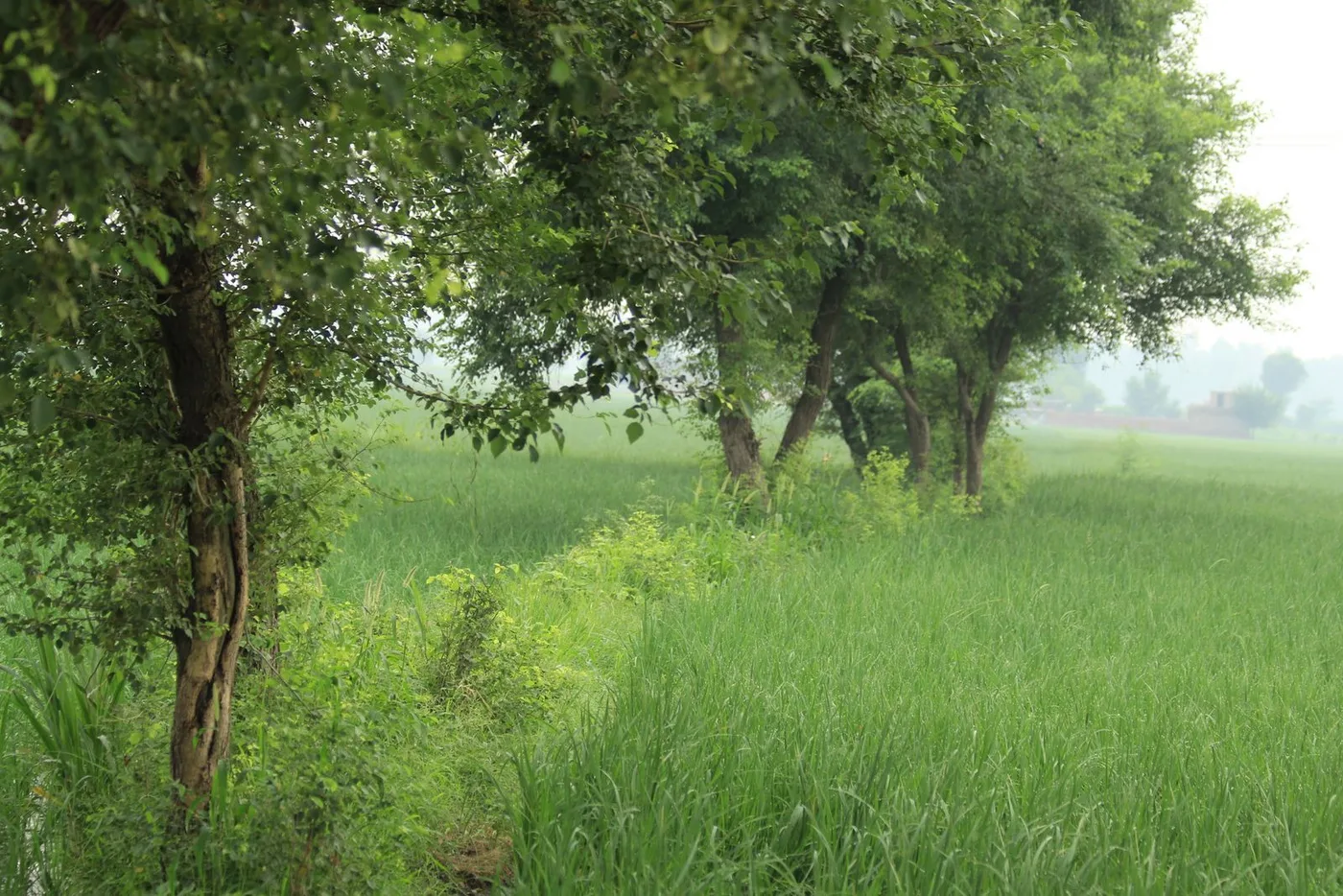
Windbreaks are rows of trees or shrubs planted to block wind before it can lift and carry dry topsoil. Up to five rows is generally called a windbreak; six or more is a shelterbelt. Beyond protecting soil, these plantings shield young or delicate crops from wind damage and give birds and beneficial insects a permanent habitat at the field edge.
06. Cover cropping

Cover cropping plants a secondary crop, such as clover, rye, or vetch, in the gap between main growing seasons instead of leaving the field bare. The roots hold soil in place, the canopy blocks rainfall impact, and species like clover add nitrogen back into the ground as they break down. Studies show well-established cover crops raise water infiltration by 15 to 30% during heavy rain, which is exactly the moment soil is most at risk.
07. Crop rotation
Rotating different crops through the same field, rather than planting the same one every season, breaks the cycle that drains specific nutrients and lets crop-specific pests build up in the soil. It is one of the longest-standing methods for soil conservation, and diversified rotations have been measured raising equivalent yield by up to 38% compared with continuous single-crop planting. For the full breakdown of models and benefits, see our guide to the advantages of crop rotation.
08. Agroforestry
Agroforestry mixes trees, crops, and sometimes livestock on the same piece of land. Tree roots anchor soil at depths that annual crops never reach, fallen leaves add organic matter, and the combined canopy structure holds moisture better than any single layer could alone. It is a slower system to establish than most others on this list, but among the most resilient once mature.
09. Buffer strips
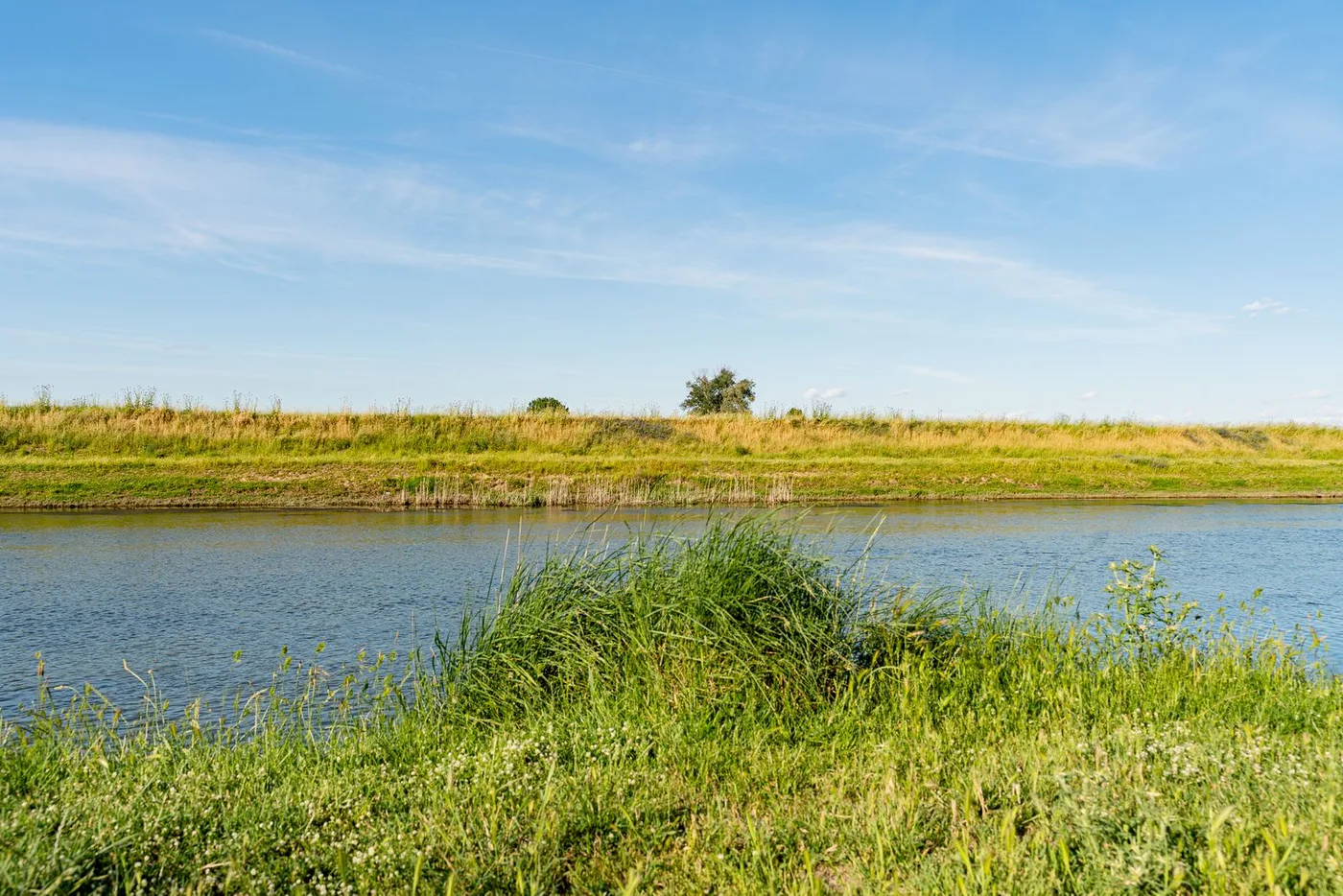
Buffer strips are bands of trees, shrubs, or grass planted along the edge of a stream, river, or field boundary. Their roots hold the bank in place, their canopy shades the water from excess heat, and they physically filter sediment and nutrient runoff before it ever reaches the water. This makes buffer strips one of the most direct methods to conserve soil specifically where farmland meets water.
10. Grassed waterways
A grassed waterway is a shallow, grass-lined channel built to carry runoff safely across a field into a ditch or stream. The dense grass roots keep the channel itself from eroding even as water moves through it, letting farm equipment cross freely once the vegetation is established, and needing very little upkeep afterward.
11. Bank stabilization
Where a stream or riverbank is actively collapsing, three approaches are typically combined: gabion baskets (wire cages filled with stone) to slow the movement of soil on steep banks, rip rap (loose rock) to absorb wave energy before it hits the bank, and revegetation, replanting native roots to hold the bank long-term. Revegetation costs less over time than the other two once it takes hold, since living roots keep doing the job for free.
12. Drop inlets and rock chutes
Where water needs to drop down a steep incline without carving a new gully, a drop inlet does the job with two connected pipes: an upward inlet that catches surface water and a subsurface outlet that carries it safely down to a stream below. A rock chute achieves the same result differently, reinforcing a short, steep channel bed with rock so flowing water loses energy against the stone instead of against bare soil. Both are common fixes for the exact spot in a field where a grassed waterway alone can't handle the drop.
13. Sediment control structures
Silt fences, sediment traps, and small retention ponds catch soil that is already moving before it reaches a waterway. These structures are a last line of defense rather than a first choice, and they only keep working if the trapped sediment is cleared out regularly, but on active construction sites or steep, disturbed ground, they are often the fastest soil conservation method to deploy.
14. Mulching
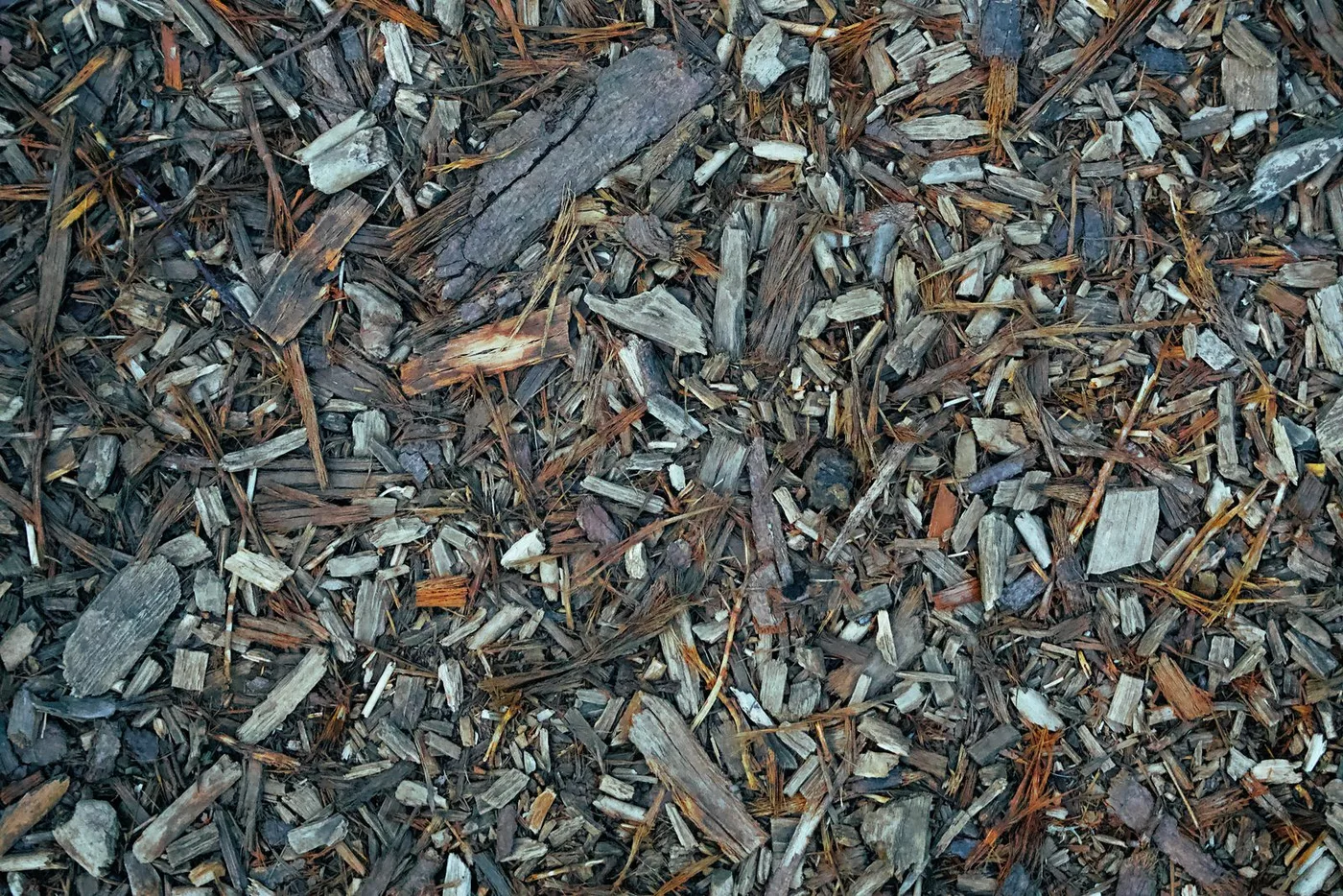
Spreading straw, wood chips, or other organic material directly over bare soil blocks rain and sun the same way a cover crop's canopy does, while slowly decomposing into added organic matter. It is one of the fastest soil conservation techniques to apply on garden beds, orchards, and any patch too small or too newly planted for a cover crop to establish in time.
15. Organic amendments and chemical-free nutrient management
Compost, manure, and other organic amendments rebuild nutrients and organic matter without relying on synthetic fertilizer, and soil testing lets growers apply only what the land actually needs instead of guessing. Paired with integrated pest management, which controls insects and disease through crop rotation, biological controls, and resistant varieties rather than blanket spraying, this approach keeps soil chemistry balanced from the inside instead of patching it from outside. Long-term studies show organically managed soils hold more organic matter and resist erosion better than conventionally treated ground over time.
Simple soil conservation ways for small farms and gardens
Not every grower needs terraces or gabion baskets. On a smaller scale, a handful of low-cost soil conservation ways cover most of the same ground: mulch bare beds after planting, avoid walking or driving on wet soil to limit compaction, keep something growing year-round even if it is just a cover crop, add compost every season instead of synthetic fertilizer alone, and plant a narrow hedge or windbreak along the side that catches the most wind.
Confirm your soil conservation plan is working
Task multispectral imagery to track NDVI and NDRE vegetation-health bands for cover crop and pest or disease stress, SAR to map soil moisture and irrigation needs through cloud cover, and high-resolution optical down to 30 cm to spot bare soil before it erodes.
What are the 3 types of soil conservation methods?
Every technique above fits into one of three categories, grouped by how they actually work rather than what they look like in the field.
| Type | Example techniques | How it works | Best for |
|---|---|---|---|
| Physical | Contour farming, terracing, windbreaks, strip cropping, grassed waterways, drop inlets and rock chutes, bank stabilization | Reshapes land or adds structures to physically slow water and wind | Sloped land, high rainfall or wind exposure, riverbanks |
| Biological | Cover cropping, crop rotation, agroforestry, mulching, buffer strips | Uses living roots, canopy, and organic matter to hold and rebuild soil | Any farm or garden; the most sustainable and lowest-cost long-term option |
| Chemical / agronomic | Fertilizers, organic amendments, soil testing, integrated pest management | Restores and balances soil nutrients and biology directly | Fine-tuning fertility once erosion is already under control |
Field-tested results
Soil conservation techniques are not equally effective on their own. Field studies from around the world put real numbers on how much erosion each approach actually stops.
Average soil loss reduction from contour farming alone on sloped cropland.
Erosion reduction measured after a large-scale contour terracing project on China's Loess Plateau, alongside a 25%+ productivity gain within a decade.
Erosion reduction when contour methods are combined with cover crops and buffer zones, instead of used alone.
Increase in water infiltration during heavy rainfall from properly established cover crops.
Erosion cut and water availability gained after a contour-bunding watershed program in Maharashtra, India.
Growth in US no-till corn acreage from 2001 to 2021, as adoption of conservation tillage has accelerated.
How do you choose the best soil conservation method for your land?
The right methods for soil conservation depend on your specific field, not a general rule. Work through these questions before committing time and money to any one technique:
| Question | Why it matters |
|---|---|
| How steep is the land, and how much rain or wind does it get? | Steep, high-rainfall land needs physical structures like terraces; flatter, drier land often does fine with cover crops or mulch alone. |
| What is the current soil type and condition? | Sandy soil erodes fastest under wind and benefits most from windbreaks and cover; clay-heavy soil compacts easily and benefits most from reduced tillage. |
| What is the realistic budget and labor available? | Terracing and bank stabilization need real upfront investment; cover cropping and mulching cost far less to start. |
| What are the specific conservation goals? | Stopping erosion, rebuilding fertility, and cutting input costs call for different combinations of methods. |
| Can two or more methods be combined? | Field data consistently shows combined methods outperform any single technique used alone. |
When in doubt, start with the lowest-cost biological methods, cover cropping, mulching, or reduced tillage, since they improve soil regardless of what is added later, then layer in physical structures like terracing or buffer strips where the land specifically needs them.
What challenges make soil conservation harder to adopt?
Even with clear benefits, soil conservation techniques do not spread as fast as the data suggests they should. Three barriers show up in nearly every region: limited awareness of the long-term payoff versus the upfront cost, real upfront expense for structural methods like terracing on farms already operating on thin margins, and growing pressure to convert marginal or steep land into cropland as global food demand rises, which pushes farming onto exactly the ground most vulnerable to erosion. Closing that gap generally takes a mix of farmer education, better access to financing or subsidies for conservation infrastructure, and monitoring tools that make the payoff visible sooner than a multi-year soil test would. At the global level, the FAO's Global Soil Partnership, launched in 2012, coordinates exactly this kind of support across countries, pooling funding, research, and shared soil-conservation standards that individual farmers and local governments can't easily build alone.
How satellite imagery supports soil conservation
Soil conservation used to depend on walking a field, digging test pits, and waiting a season to see if a method worked. Satellite monitoring now compresses that feedback loop from a season to a matter of days.
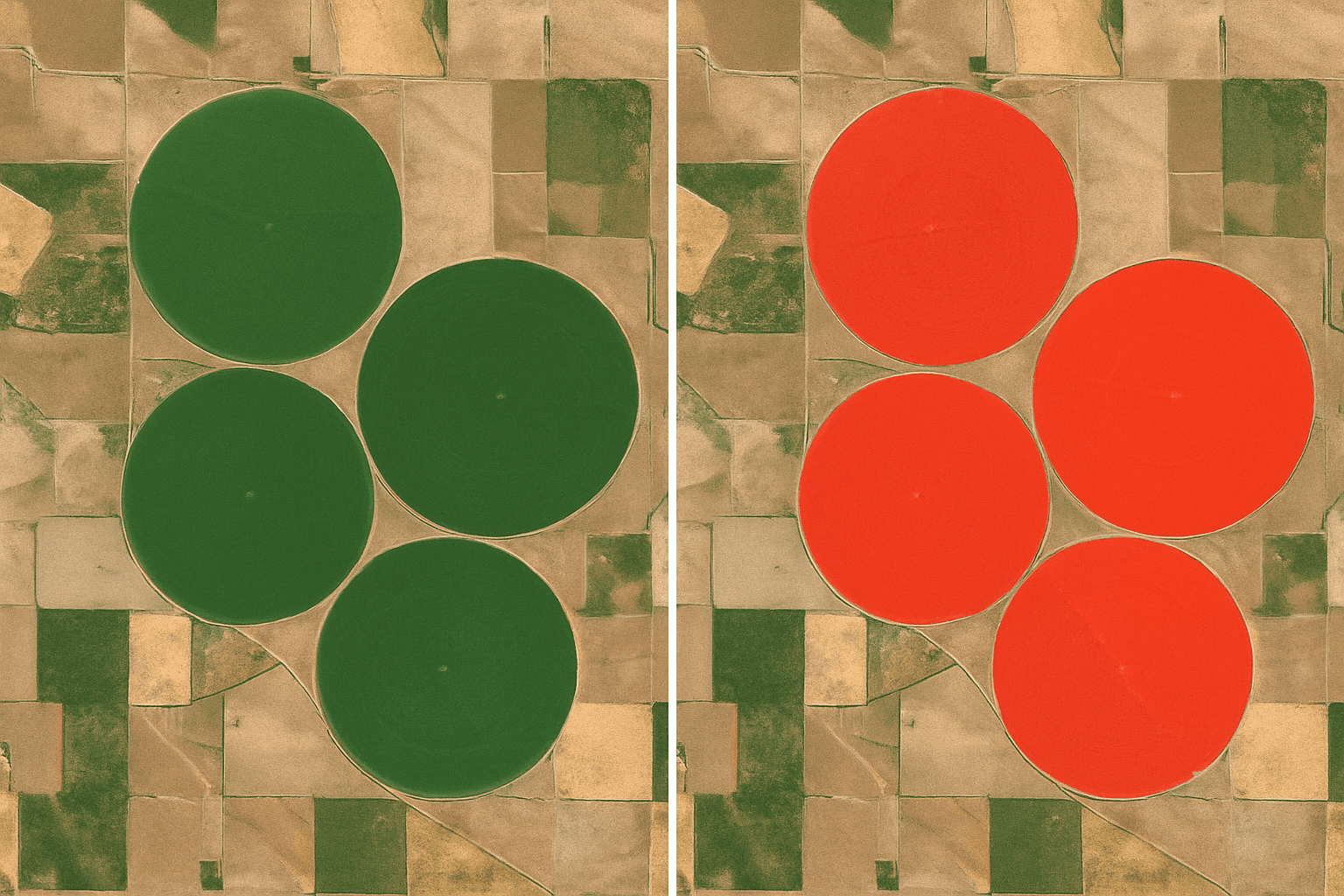
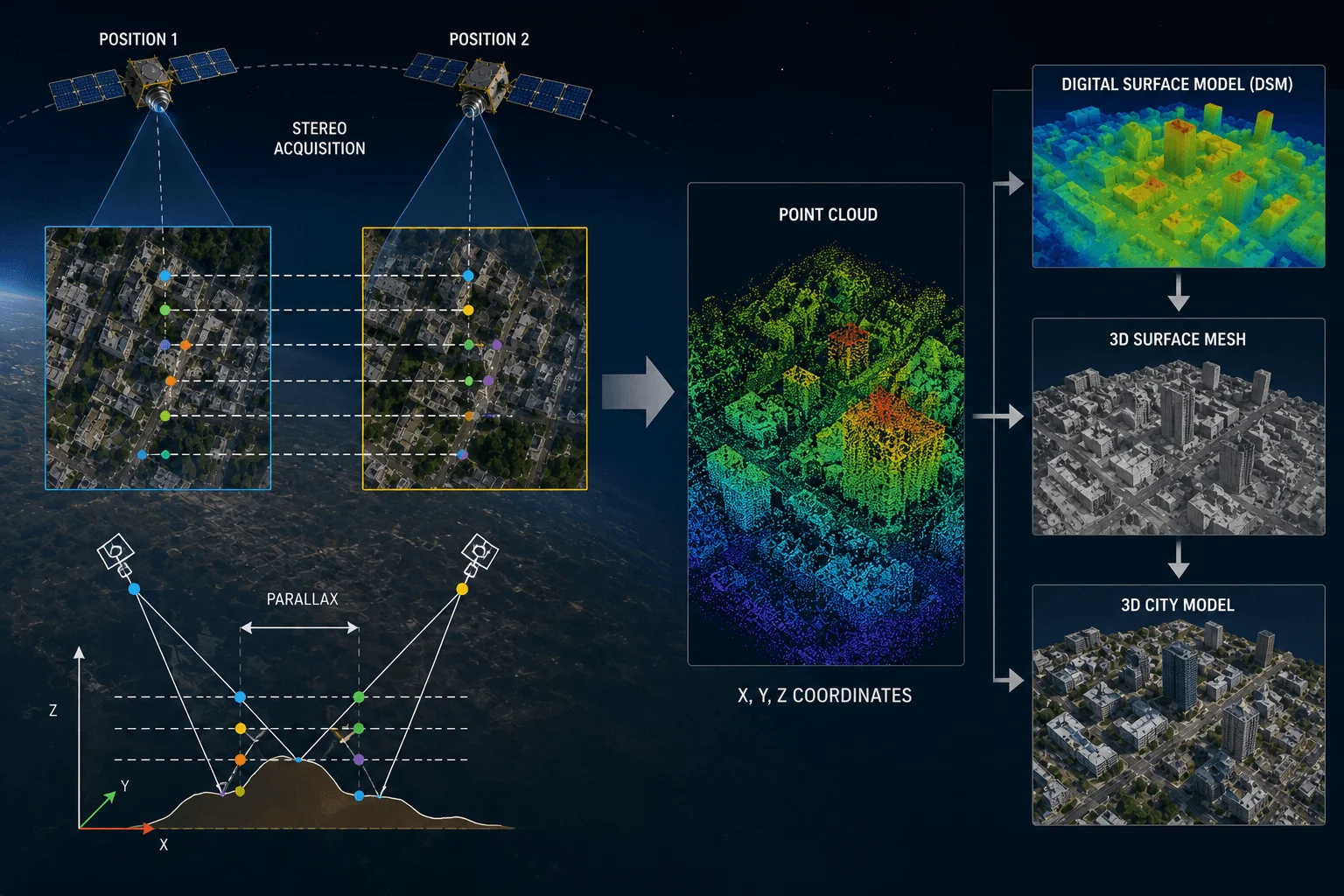
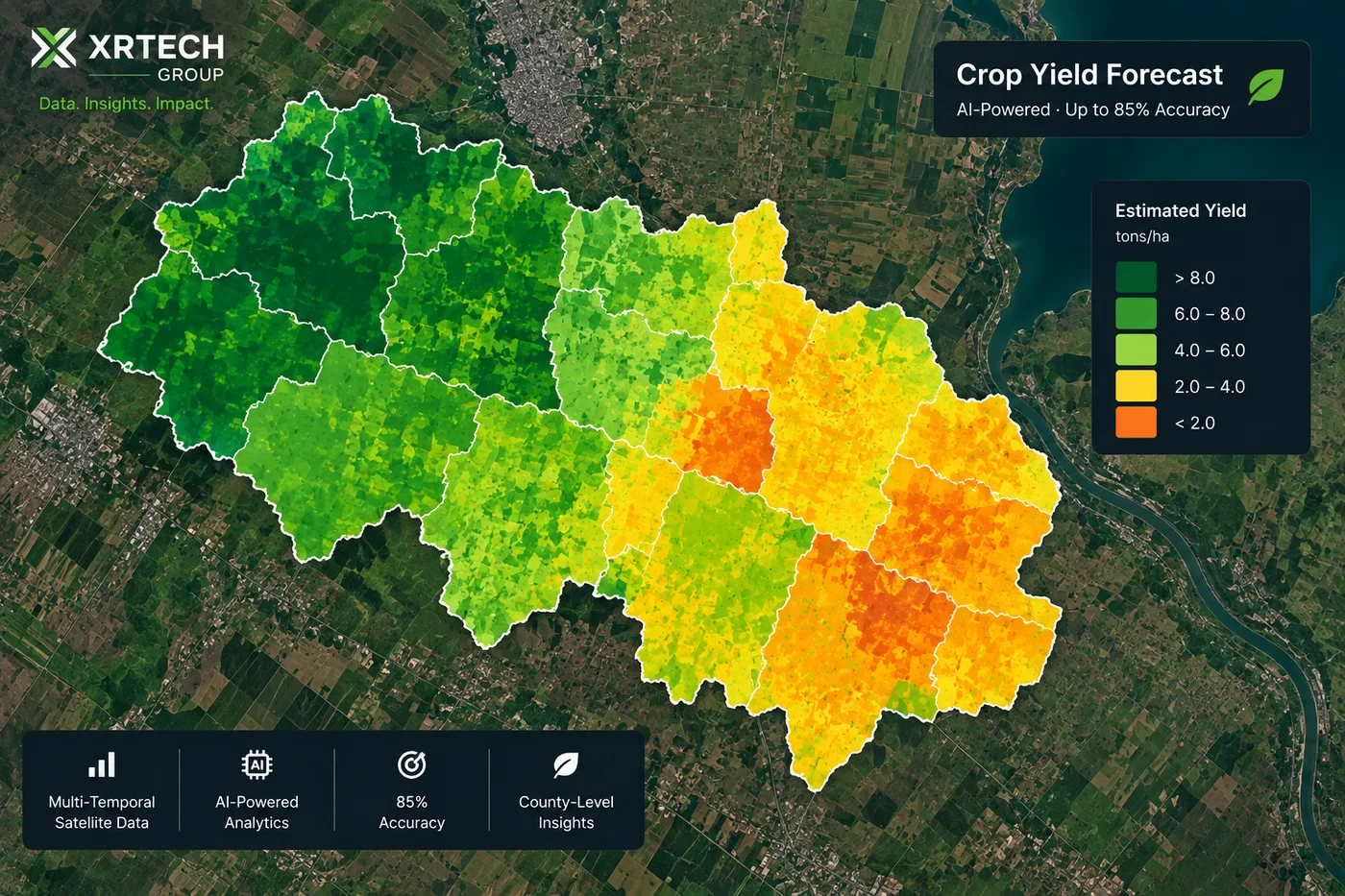
High-resolution optical imagery, down to 30 cm, resolves individual field boundaries, terrace steps, and windbreak rows clearly enough to confirm a structure was built where it was planned and is holding up season over season. Multispectral bands, especially the Red Edge band between 690 and 770 nm carried by sensors like Sentinel-2, feed the NDVI and NDRE vegetation indices that flag crop stress from pests and disease days to weeks before it is visible to the eye, which matters directly for cover crops and buffer strips that are supposed to be protecting bare soil.
Synthetic aperture radar (SAR), such as Sentinel-1's C-band sensor at around 10 m resolution with a five-day revisit, sees through cloud cover to map soil moisture and surface roughness, which is exactly what shows whether a no-till or mulched field is actually holding water better than a conventionally tilled one nearby. Paired with thermal bands that calculate the Crop Water Stress Index, the same imagery drives smarter irrigation scheduling, so water goes only where the soil-moisture map shows it is genuinely needed instead of on a fixed calendar.
For any farm running satellite-based agriculture monitoring, that turns soil conservation from a one-time investment into something measurable every week: did the terraced slope hold its topsoil through the last storm, is the buffer strip's canopy still dense enough to filter runoff, and is the cover crop actually raising infiltration the way the field study said it would.
Key takeaways
- Soil conservation methods split into three types: physical (contour farming, terracing, windbreaks), biological (cover crops, crop rotation, agroforestry), and chemical (fertilizers, organic amendments, soil testing).
- Global soil erosion removes 36 to 75 billion tons of fertile soil a year, at an estimated cost of $400 billion, and could cut cereal production by over 253 million tonnes by 2050 if unaddressed.
- Contour farming alone cuts erosion by about 50%; combining physical and biological methods, like contour farming with cover crops and buffer strips, raises that to 60 to 75%.
- Cover crops raise water infiltration by 15 to 30% during heavy rainfall, and US no-till corn acreage grew from 16% to 36% between 2001 and 2021.
- Satellite imagery, from 30 cm optical to Sentinel-1 SAR and NDVI/NDRE multispectral bands, now verifies whether a chosen soil conservation method is actually working, in days rather than a full growing season.
Frequently asked questions
What is soil conservation?
Soil conservation is the set of methods and practices used to protect soil from erosion, nutrient loss, and degradation, keeping land fertile and productive for future seasons. It includes physical structures like terraces, biological practices like cover cropping, and chemical or agronomic methods like soil testing and organic amendments.
What are the methods of soil conservation?
The main methods of soil conservation are conservation tillage and no-till farming, contour farming, terracing, strip cropping, windbreaks and shelterbelts, cover cropping, crop rotation, agroforestry, buffer strips, grassed waterways, bank stabilization, sediment control structures, mulching, and organic soil amendments. Most farms combine several of these rather than relying on just one.
What are the 3 types of soil conservation methods?
The 3 types of soil conservation methods are physical (contour farming, terracing, windbreaks, and other structural changes), biological (cover cropping, crop rotation, agroforestry, and other living-cover practices), and chemical or agronomic (fertilizers, organic amendments, and soil testing). Each type addresses a different part of soil health, and most conservation plans use a mix of all three.
What is the best method of soil conservation?
There is no single best method for soil conservation; the right choice depends on slope, soil type, rainfall, and budget. Field data does show that combining methods, such as contour farming with cover crops and buffer strips, cuts erosion by 60 to 75%, compared with roughly 50% for a single technique like contour farming used alone.
How does cover cropping help conserve soil?
Cover cropping keeps living roots in the ground between main growing seasons, which holds soil in place, shields it from rainfall impact, and adds organic matter and nutrients as the cover crop breaks down. Studies show well-established cover crops increase water infiltration by 15 to 30% during heavy rain, exactly when soil is most at risk of washing away.
What is the difference between soil conservation and soil erosion control?
Soil erosion control focuses specifically on stopping soil particles from being carried away by wind or water, using methods like terracing, windbreaks, and buffer strips. Soil conservation is the broader goal, which includes erosion control alongside practices that maintain fertility, organic matter, and biological health, such as crop rotation and organic amendments.
Can satellite imagery monitor soil conservation practices?
Yes. High-resolution optical imagery down to 30 cm confirms structures like terraces and windbreaks are built and holding up, multispectral NDVI and NDRE bands track how well cover crops and buffer strips are performing, and SAR sensors like Sentinel-1 map soil moisture through cloud cover to show whether no-till or mulched fields are retaining water better than conventionally tilled ground.
Why is soil conservation important for farmers?
Soil conservation is important for farmers because it directly protects the asset their income depends on: fertile topsoil. Global erosion already removes 36 to 75 billion tons of soil a year at an estimated $400 billion in economic cost, and farms that adopt conservation methods typically see lower input costs, more stable yields, and less need for expensive erosion repair over time.
What are the basic steps in a soil conservation strategy?
A soil conservation strategy generally follows three steps: first, gather proper knowledge of how the land is used and what resources it has; second, monitor fields regularly to detect critical zones before they degrade further; and third, apply and track the efficiency of the conservation methods chosen, adjusting them based on the results. Satellite monitoring now speeds up the second and third steps considerably, turning a season-long check into one that can run weekly.
Sources and further reading
- FAO and Global Soil Partnership: Global soil erosion, degradation, and cost estimates
- USDA Economic Research Service: Tillage intensity and conservation cropping trends, 2001-2021
- USDA NRCS: Conservation practice standards for contour farming, terracing, and buffer strips
- Nature Communications: Land-use change and 21st-century soil erosion research
- ESA Copernicus: Sentinel-1 SAR and Sentinel-2 multispectral mission specifications
- Peer-reviewed field studies on contour terracing, watershed bunding, and cover crop infiltration rates
Turn your conservation plan into a monitoring plan
Search our live optical, multispectral, and SAR archive or task new imagery over your fields to track resolution down to 30 cm, vegetation-health bands, pest and disease stress, irrigation needs, and soil moisture, season after season, so every soil conservation method you invest in is backed by field-level proof.